
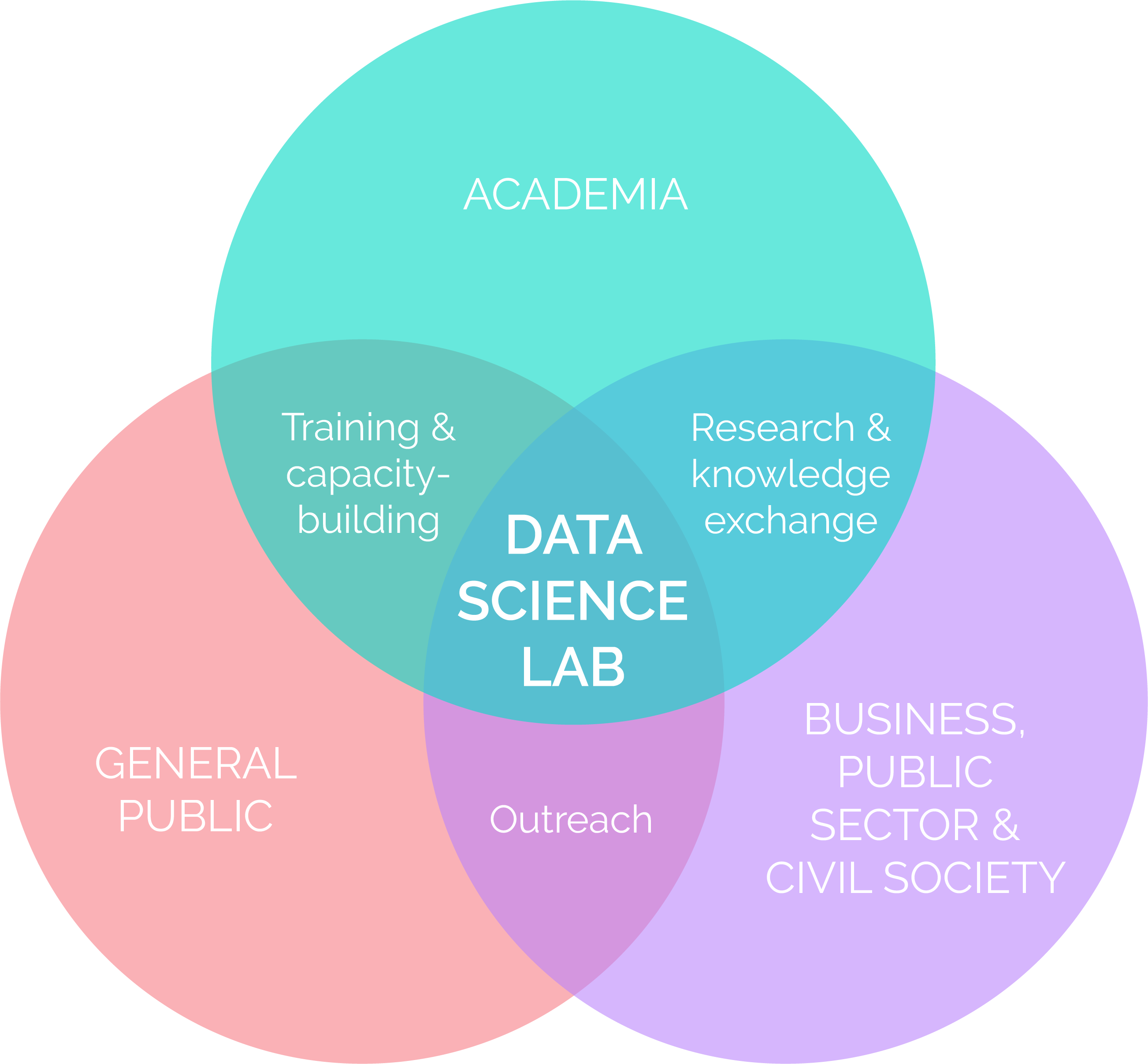
Example Course (EX101) is a semester-long graduate course at the Hertie School introducing students to the foundations of the subject.
This course equips students with the conceptual and practical skills needed to engage critically with the material, combining weekly lectures with hands-on seminars and individual project work.
Over fourteen weeks, students will work through a structured sequence of topics, completing three assignments and a final project. All course materials, readings, and assignment briefs are available through the links below. Students are expected to attend weekly sessions, complete readings in advance, and submit work via the course's assignment portal.
Syllabus
Course structure at a glance
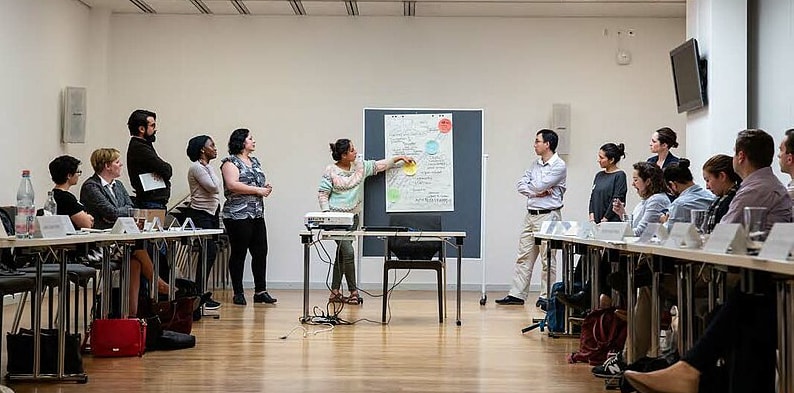
By the end of this course, students will be able to articulate core concepts, evaluate competing approaches, and apply the methods covered to a policy-relevant problem of their own choosing. Emphasis throughout is on building both a theoretical grounding and a practical toolkit students can carry forward.
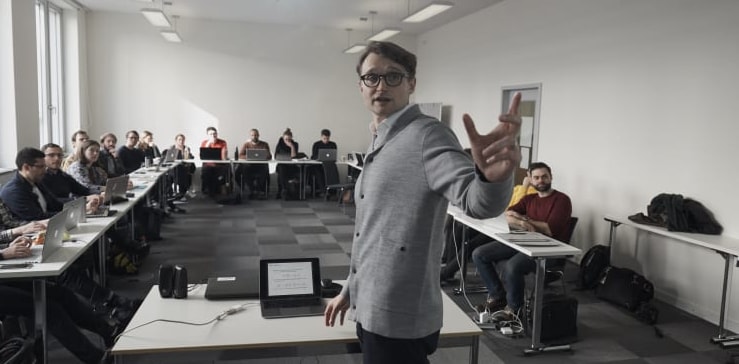
Grading is based on three assignments (15% each), a final project (40%), and class participation (15%). Assignment briefs, due dates, and marking rubrics are published in the Assignments section. Late submissions lose 10 percentage points per 24 hours unless an extension is agreed in advance.

Students are expected to complete readings before each session, participate actively in seminar discussion, and engage respectfully with peers. The course follows the Hertie School's code of academic integrity; all submitted work must be the student's own. Questions on any of the above are welcome during office hours.
Weekly Schedule
Topics, readings, and deadlines by week
Week 1 — Introduction & Course Overview
Orientation, expectations, and a roadmap for the semester
The opening session introduces the course, its learning objectives, and the structure of the fourteen-week schedule. We walk through the syllabus, the assessment plan, and the tools we will use throughout. Students should arrive having skimmed the course overview and come prepared to discuss their own goals and expectations for the semester.
Readings Assignments
Week 2 — Foundations I
The core concepts that frame everything that follows
We introduce the foundational vocabulary and frameworks used throughout the course. Students will work through a short problem set in class and discuss the week's assigned readings in small groups before reconvening for a whole-class debrief.
Readings
Week 3 — Foundations II
Building on the previous week, with a first applied exercise
Continuing from Week 2, we extend the foundational material with a hands-on exercise that students will complete in pairs. Assignment 1 is released at the end of this session and is due at the start of Week 5.
Assignment 1 brief
Week 4 — Methods I
First of a two-part introduction to methodological tools
We move from foundations to methods, working through a first set of tools that students will apply in their assignments. The session includes a worked example drawn from a recent policy problem, and students will leave with a short practice notebook to complete before Week 5.

Week 5 — Methods II
The second half of our methods introduction. Assignment 1 due.
We complete the methods block with a more advanced set of tools and a group exercise. Assignment 1 is due at the start of this session; feedback will be returned within two weeks.
Week 6 — Case Study
Applying what we have learned to a real-world example
This session steps back from the mechanics and applies the concepts and methods from Weeks 1-5 to a detailed case study. Students should arrive having read the case briefing in advance and be prepared for group discussion.

Week 7 — Midterm Review
Consolidating the first half of the course
The final session before the midterm break is a consolidation week. We review the core ideas of the first half, revisit common difficulties from Assignment 1, and outline the trajectory for Weeks 8-14. Assignment 2 is released at the end of this session.
Assignment 2 brief
Assignments
Briefs, rubrics, and due dates

Assignment 1
Released Week 3, due start of Week 5. A short applied exercise putting the Week 2-3 foundational material into practice. Weight: 15% of final grade.
View briefSubmission portal

Assignment 2
Released Week 7, due start of Week 10. An extended applied problem drawing on the methods block. Weight: 15% of final grade.
View briefSubmission portal

Assignment 3
Released Week 10, due start of Week 12. A structured critique exercise designed to prepare students for the final project. Weight: 15% of final grade.
View briefSubmission portal

Final Project
Proposal due Week 10, final submission due end of Week 14. An independent piece of work on a topic of the student's choosing, agreed in advance with the instructor. Weight: 40% of final grade.
Project briefSubmission portal
Materials
Readings, slides, and resources
Lecture slides are posted here each week, typically the morning before each session. PDFs are provided for offline reading and printing; links to any embedded resources are included on the final slide of each deck.
Required and recommended readings for each week are listed in the full reading list (PDF). Papers behind paywalls can be accessed through the Hertie School library; please contact the instructor if you have any access issues.
A curated list of further reading, software tools, datasets, and external tutorials relevant to the course. Suggestions from students are very welcome — please email if there is something you think others would benefit from.
Contact
Get in touch with the instructor
Location:
Hertie School, Friedrichstraße 180, 10117 Berlin
Office Hours:
Wednesdays:
14:00 - 16:00
Email:
ex101@hertie-school.org
Instructor:
Henry Baker